Native Heritage of the Rogue and Illinois Valleys
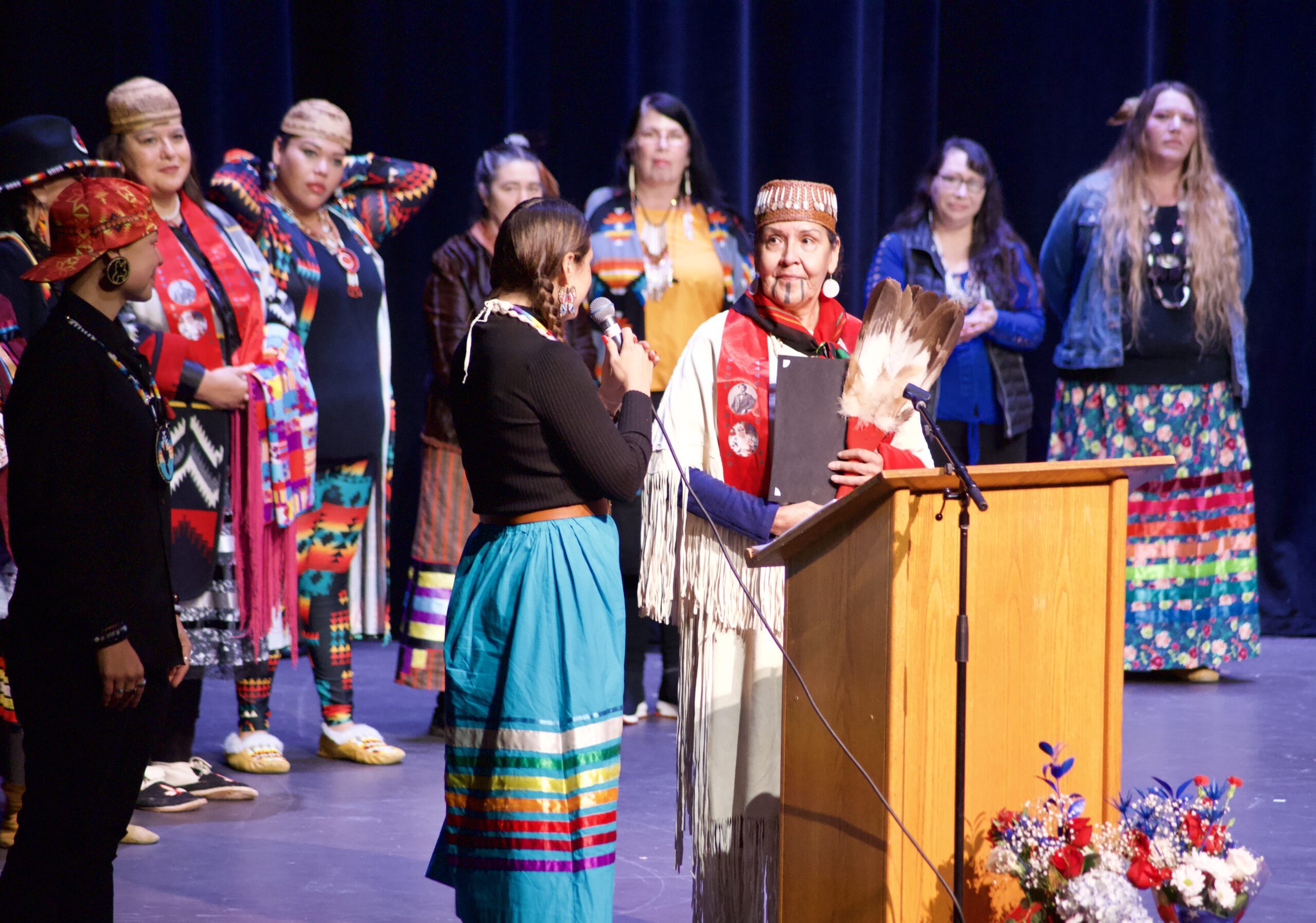

Since time immemorial, the Rogue and Illinois Valleys have been the ancestral home to the Takelma and other indigenous tribes, who’s descendants today continue to carry with them a combination of old and new cultural traditions and knowledge. While November is Native Heritage Month, Grants Pass celebrates this area’s original people and their culture year round. One of the best ways to connect with local native culture is to attend a pow wow, learn about indigenous history, and to support native artisans, businesses, and organizations.

History and Culture
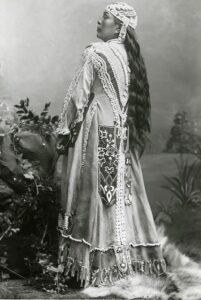
For over 10,000 years, indigenous cultures have lived in what is now considered the Rogue and Illinois valleys, including the three main tribes—-Takelma, Shasta, and Athabaskan. While all three spoke different languages and had unique cultures, they all shared a hunter/gatherer lifestyle, relying on wild game, salmon, camas root, berries, acorns, and other fruits of the wilderness. While the tribes maintained a village along the Rogue River and neighboring creeks, throughout the different seasons they moved around regionally to hunt and gather food, following the food source between the valleys and mountains.
While written language is a relatively modern form of storytelling, up until a few hundred years ago, the Takelma expressed their spiritual beliefs through oral myths and legends- stories often told by the matriarchs of the tribe. Spirits were associated with particular plants, animals, places, and people, and events such as weather or conflict were influenced by the spirits. By being respectful of the land and animals around them, the Takelma would remain in good standing with the spiritual world.

Southern Oregon’s native tribes first witnessed Euro-American explorers during the 1700s as fur trappers made their way to the Pacific Northwest. While not in large numbers, the native populations saw no need for concern as long as the trappers respected their land. The Northwest Ordinance of 1787 guaranteed tribal land rights and that utmost good faith to be observed towards the native people by white settlers. However, things began to change after the United States and Great Britain hammered out an agreement which determined the territorial boundaries between Canada and the US in 1846, despite the fact that the land they were settling on was already claimed by earlier inhabitants. Soon, the Western Expansion brought more settlers along the Oregon Trail, spawning the creation of the Oregon Territory. Over the next few years, more and more settlers arrived and through the Oregon Donation Land Act, over 2,500,000 acres of native land was claimed by these new people.
After the birth of the Gold Rush, prospectors and settlers moved to the Rogue Valley in masses- significantly changing the landscape of Southern Oregon. These new people consumed the land’s bounty without restrictions, obliterating the hillsides with hydraulic mining, forests once used as hunting grounds were chopped down, and mining operations clouded up the river, depleting the salmon. Additionally, the Euro-Americans were agriculture-based, so meadows that were once vital areas to gather native plants became farms and orchards.
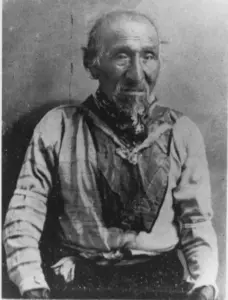
Violence peaked during the Rogue River Wars with the most intense fighting taking place between 1855-1856. This major escalation was sparked after rogue settlers and miners killed 50 native men, women, and children, and tribes responded by attacking homesteads and settlements . To this day, the Rogue River Wars remain one of the bloodiest “Indian wars” in US history and the largest war in the Pacific Northwest, which left more than 600 people dead.
After the Rogue River Wars and a slew of treaties and broken promises, the tribes were forcibly removed from their ancestral home, and to walk Oregon’s own Trail of Tears to the newly formed Siletz Reservation near modern day Newport. They made this journey on foot, traveling 33 days and escorted by the military roughly 265 miles to the coastal reservation. Many of them died along the way, and those who tried to escape were killed or sent to prison.
Rather than having their own reservation, this was a conglomeration of multiple tribes around Oregon and Northern California, who were also taken from their homeland. These early years were hard, as they were forced into an unfamiliar landscape with unfamiliar people, and the reservation was often riddled with poverty, sickness from new diseases like smallpox, and low spirits from being strangers in a strange land. Another hardship faced was the white practice of “civilizing” the native populations. For thousands of years, they had been hunter gatherers and here, they were forced to work long hours everyday cultivating the land and growing food they weren’t accustomed to in a foreign coastal climate.
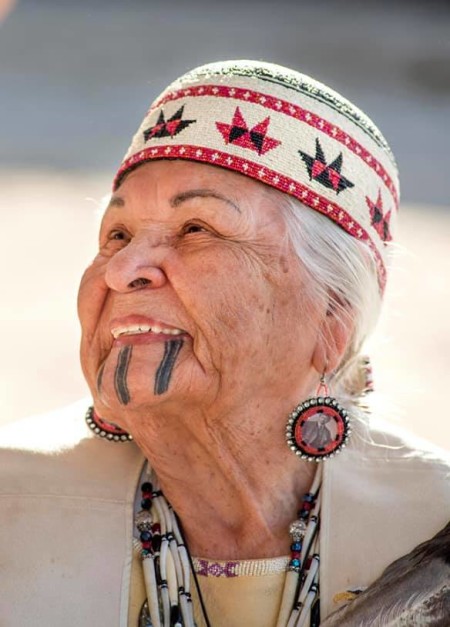
Despite these hardships, the very fact that some survived and handed down the knowledge and culture to future generations is a testament to their people’s strength and courage. In the 1970s, the Confederated Tribes of Siletz Indians became the second tribe in the nation to have have their termination act repealed with the passage of the Siletz Restoration Act, restoring federal recognition. While many continue to live on or near the reservation, some moved back to the Rogue Valley, including Agnes Baker Pilgrim. Known by many as “Grandma Aggie” she was the granddaughter of Chief Harney, the first elected chief of the Confederated Tribes of Siletz Indians and was a vocal advocate for indigenous rights and clean water here in Southern Oregon. Today her family and community continue to honor her legacy, by promoting education, land stewardship, and support for the native people of the Rogue and Illinois Valleys.

Festivals, Events, and Experiences

One of the best ways to learn about Native American culture is to attend a pow wow or annual festival, like the annual Mothers Day Pow Wow at Riverside Park and the Rogue Valley Veterans Pow Wow at Valley of the Rogue State Park.
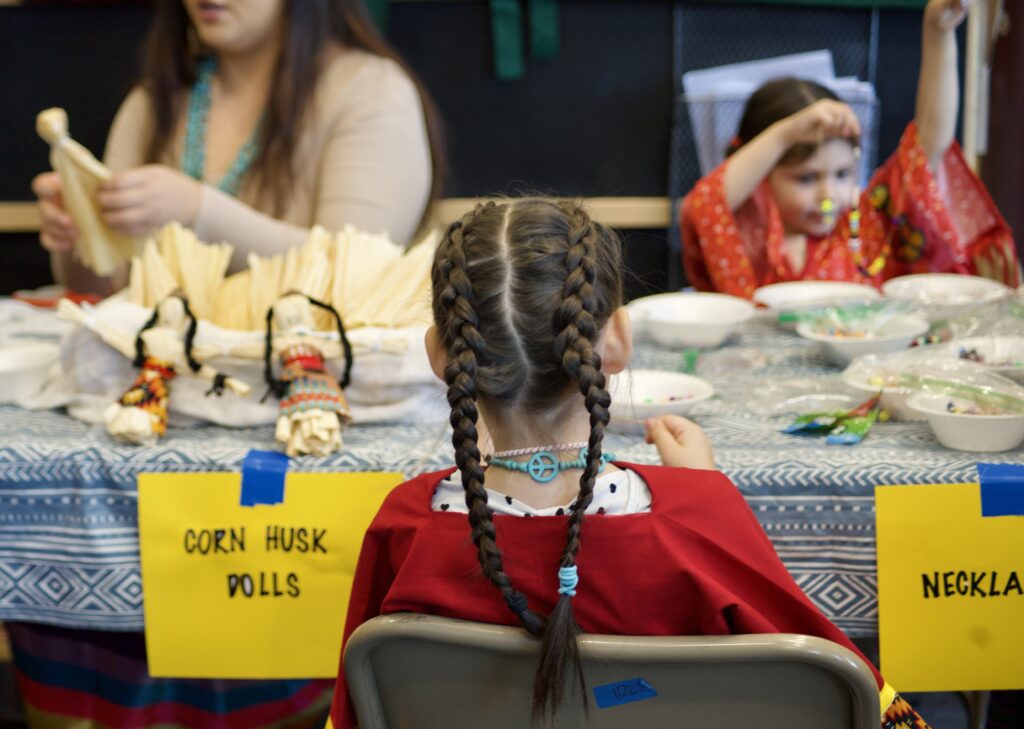
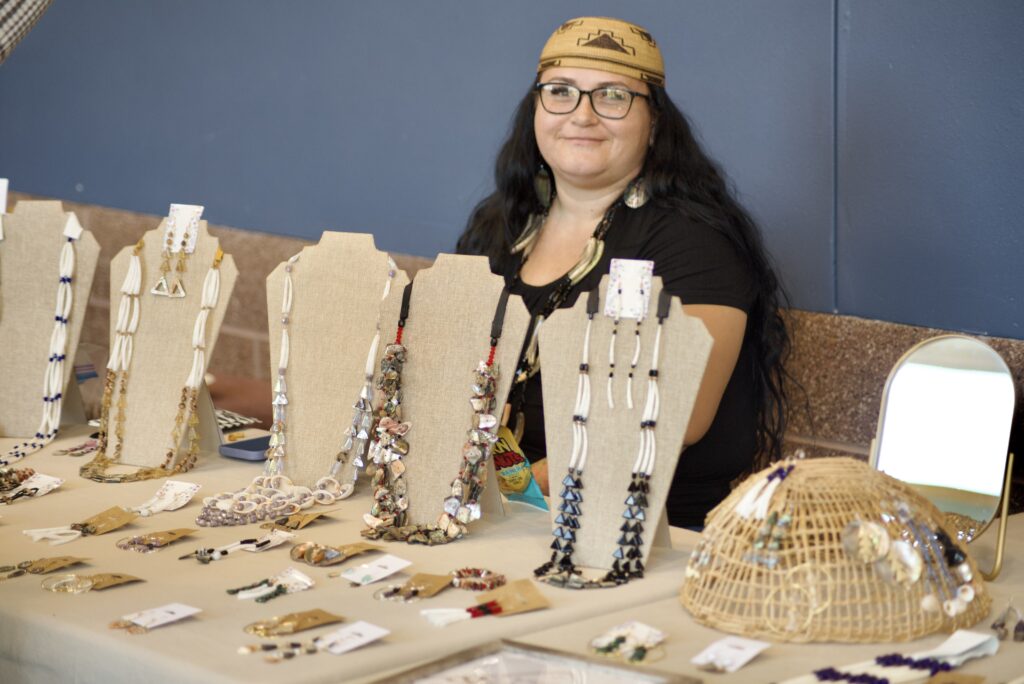
Here, you’ll find traditional dancing, drumming, and singing from all over Indigenous America on display. Throughout these annual gatherings, try native cuisines, support native artists and crafters, and learn about regalia and other ceremonies.
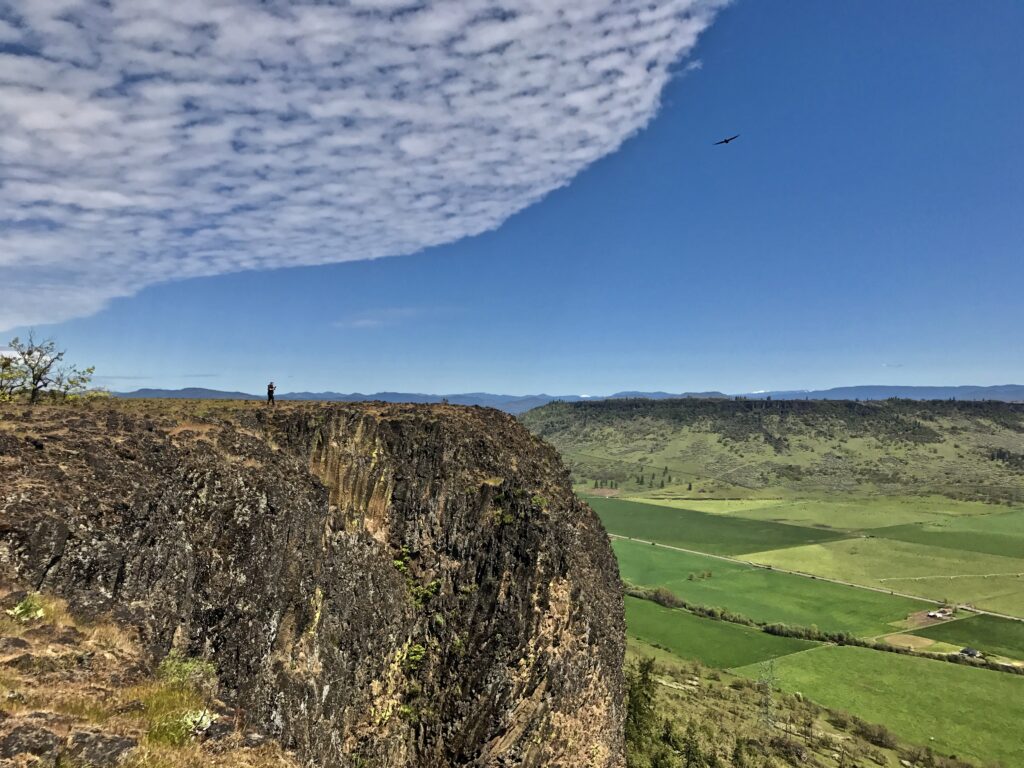
Another way to learn about the area’s indigenous history is by going to historical or spiritually significant sites. Just 30 minutes from downtown Grants Pass is Table Rocks, known as Ti’tanakh by the Takelma. These large volcanic mesas are prominent geographical features of the Rogue Valley and have held spiritual significance for thousands of years. Additionally, Table Rocks were an important place to fish for salmon, hunt deer, and forage camas. Plan a hike to Upper or Lower Table Rock, where you can experience the views of Alwilamchaldis (Mt McLoughlin) and rim of Crater Lake, just as people have done for thousands of years.
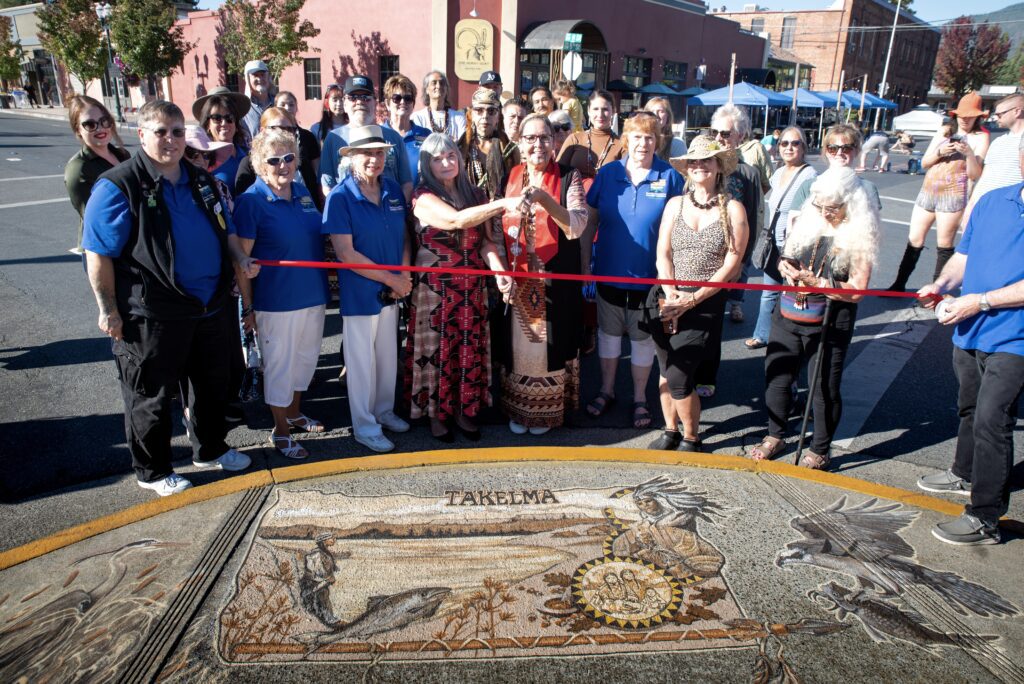
While downtown, drop by the Josephine County Historical Society’s library and check out their collection of books and photographs from the area’s earlier days. Afterwards, take a stroll around the historic district where you’ll find murals and plaques celebrating native heritage and culture of the area.