A First-Timer’s Guide to Rafting Oregon’s Wild & Scenic Lower Rogue River
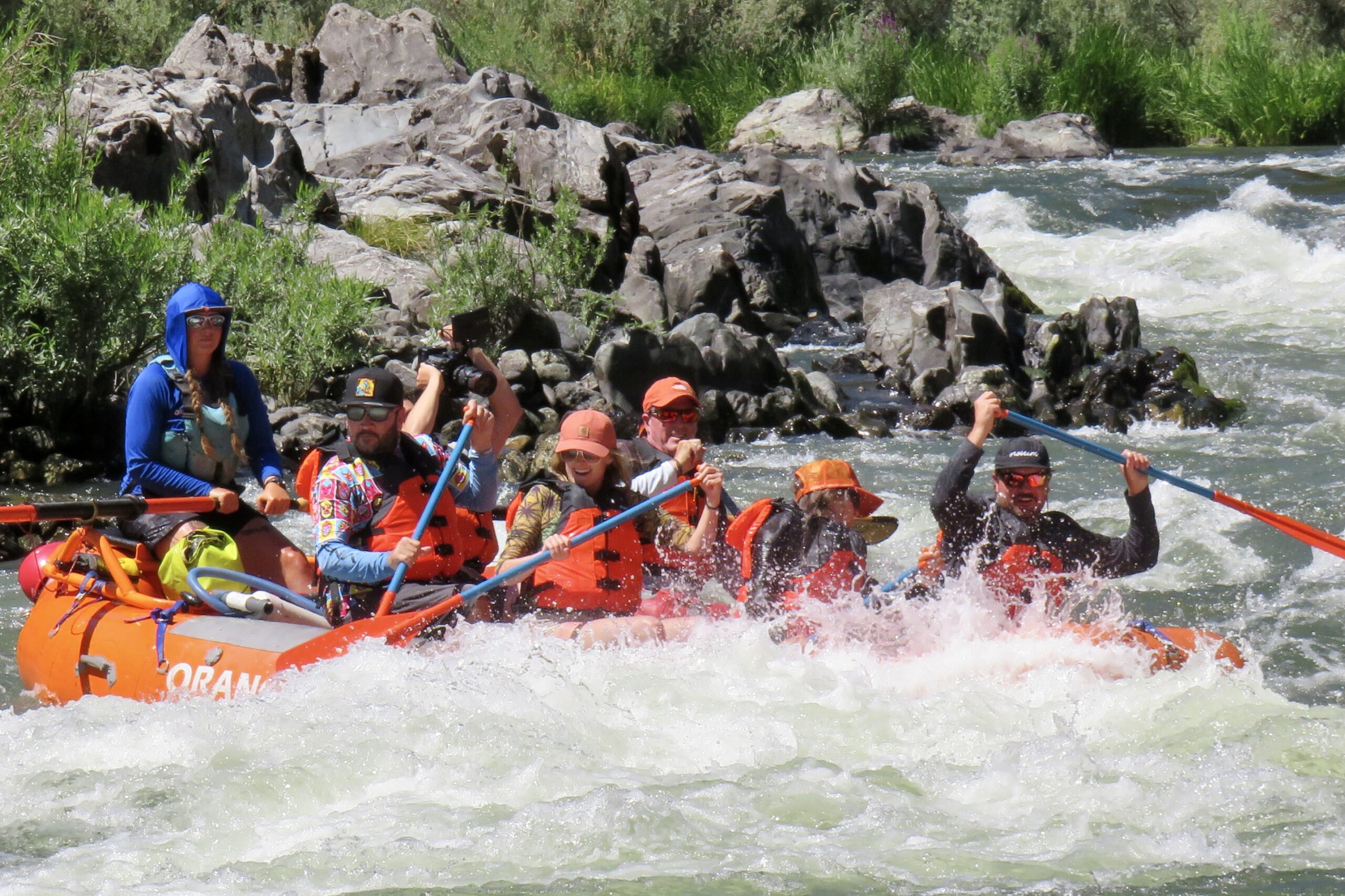

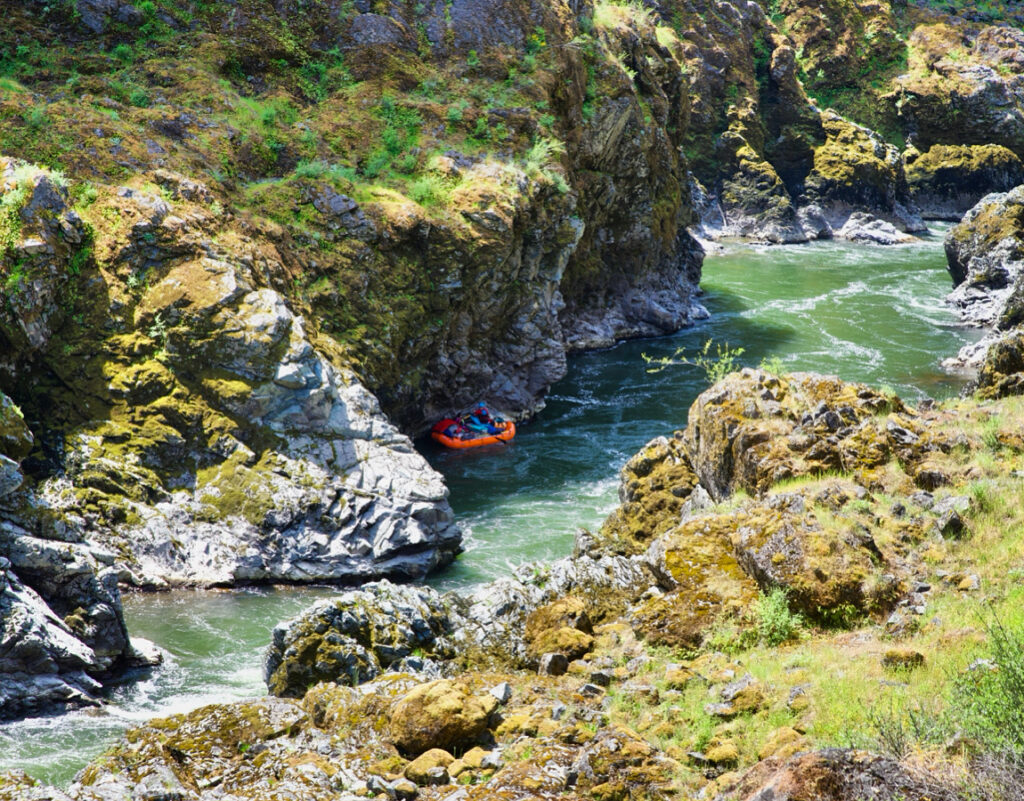
As someone who has rafted the Rogue River’s popular “Rec Stretch” more times than I can count, a multi-day trip down the Wild and Scenic section had long been at the top of my Oregon bucket list.
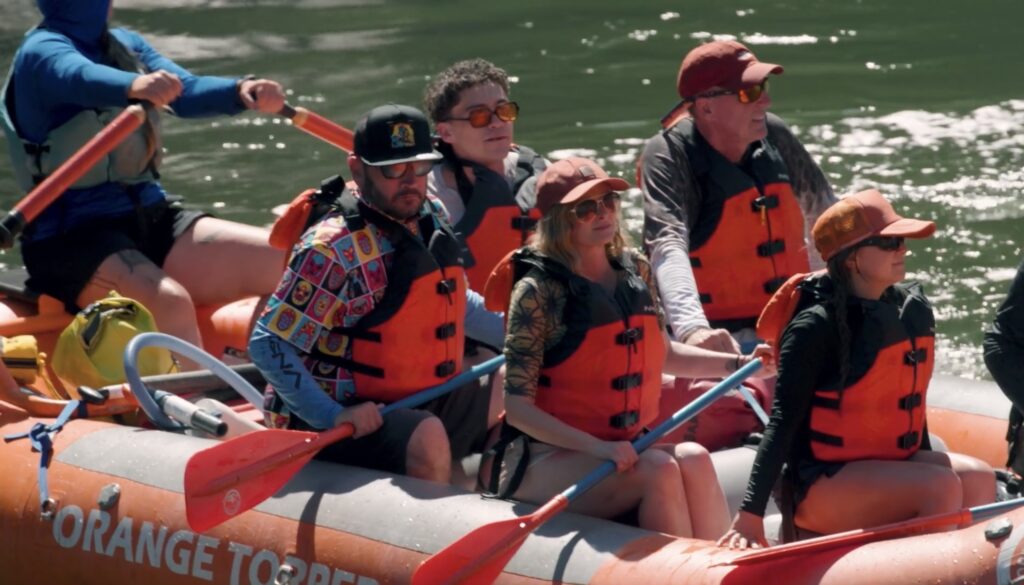
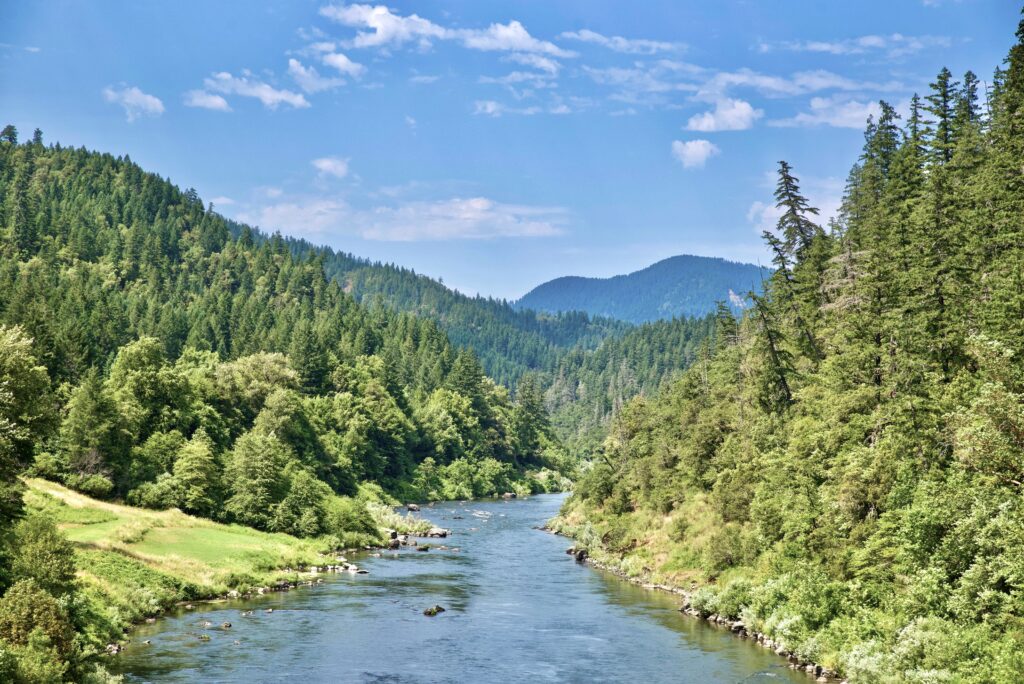
Designated as one of the nation’s original Wild and Scenic Rivers, this remote stretch winds through rugged canyons, old-growth forests, historic homesteads, and landscapes accessible only by boat or trail. For first-time rafters, a guided multi-day adventure with Orange Torpedo Trips is an ideal introduction. With experienced guides handling everything from meals and camp setup to river navigation, all that’s left to do is paddle, explore, and soak in one of the Pacific Northwest’s most spectacular river corridors. As my first time experiencing the Lower Rogue, my 3- day camp/lodge rafting trip this past June gave me a whole new appreciation of Southern Oregon and the beauty in our own back yard.
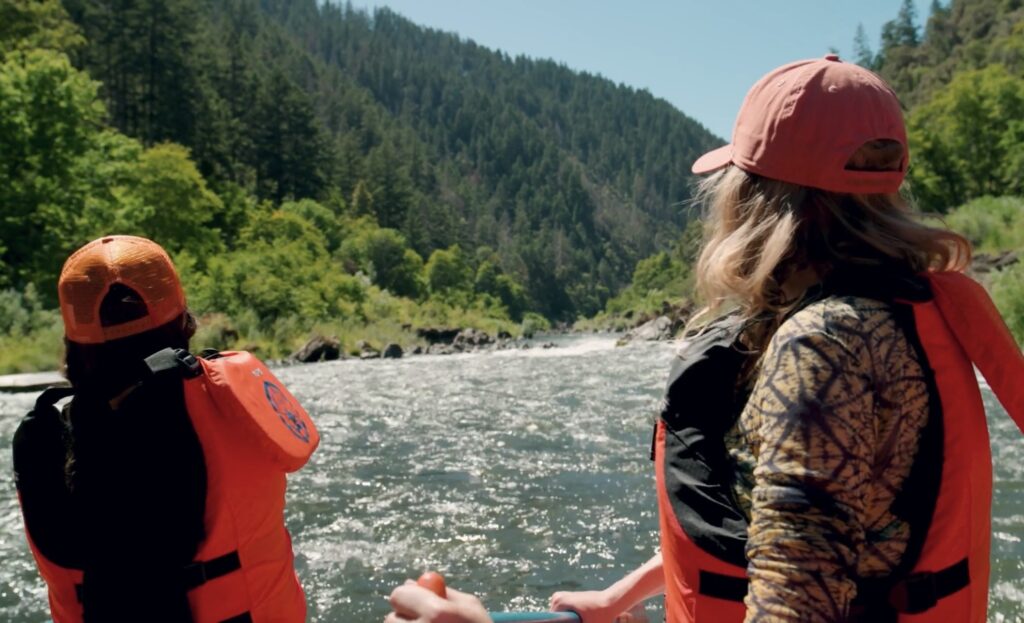
Day One: Welcome to the Wild
Our adventure began with an 8 a.m. safety briefing at Orange Torpedo Trips in Merlin, just north of Grants Pass. After packing our gear into waterproof dry bags, we loaded into vans and made the scenic drive to Almeda Park, the launch point for our journey.
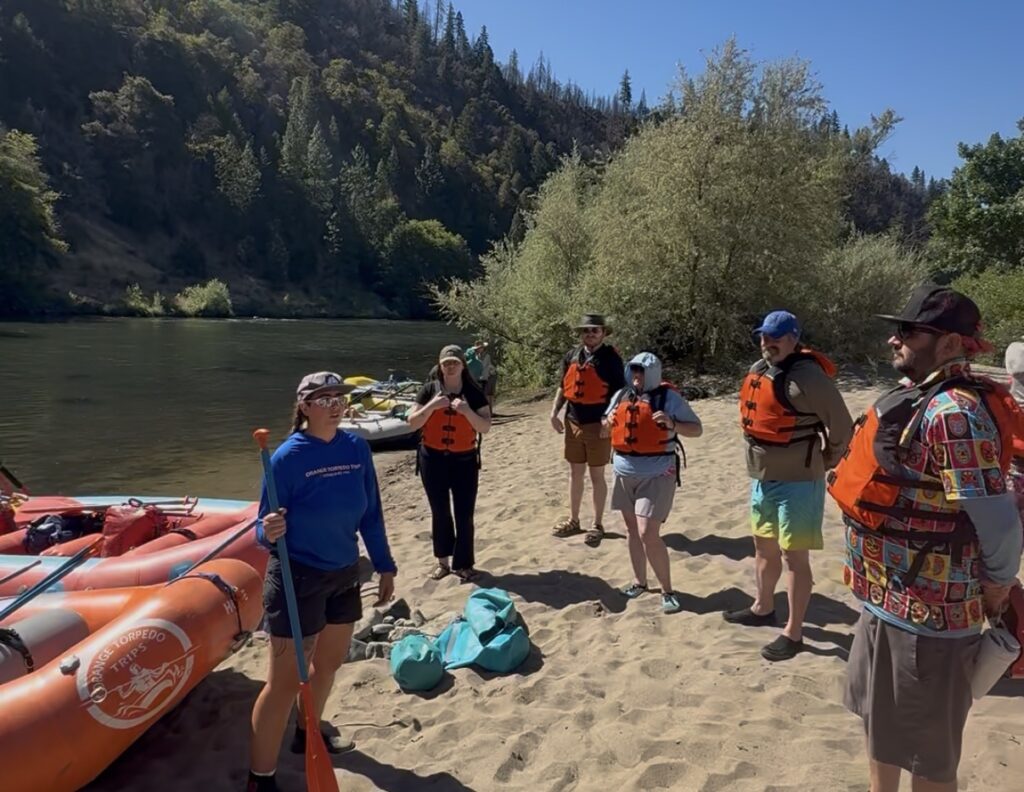
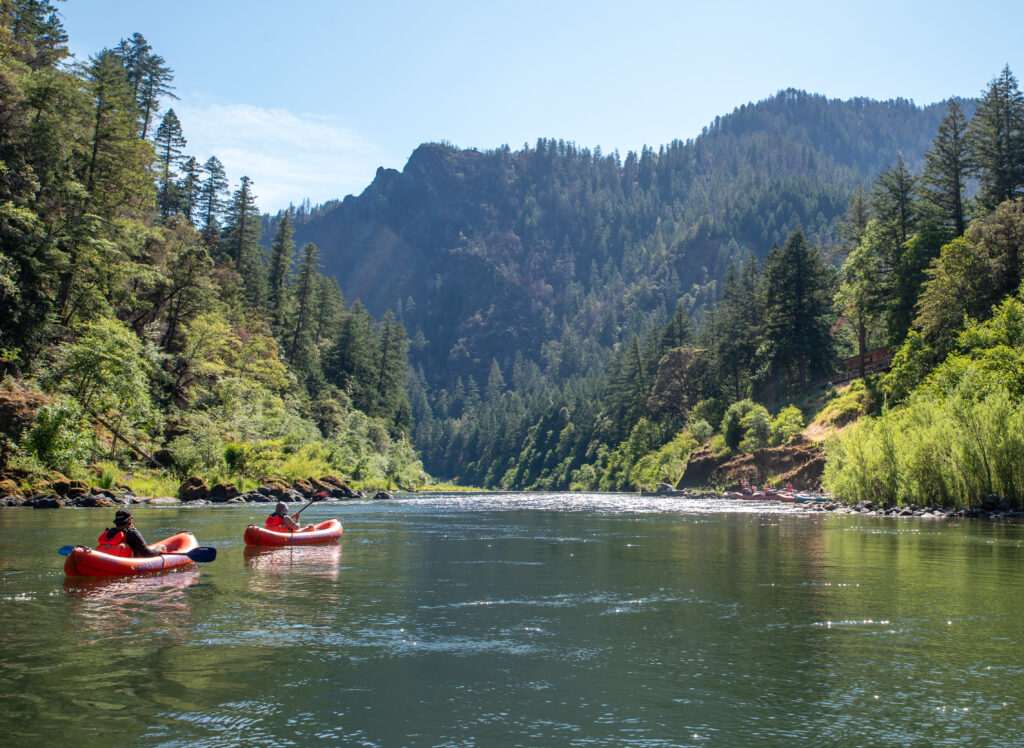
There we met our guide, Moira, who walked us through the basics of paddling before we pushed off. Each raft comfortably held about seven people, including the guide, while a separate gear boat carried our camping equipment, food, and supplies.
Within minutes, we settled into the rhythm that would define the next three days: thrilling rapids, peaceful floating stretches, and constant reminders to look up from the water to admire the scenery.
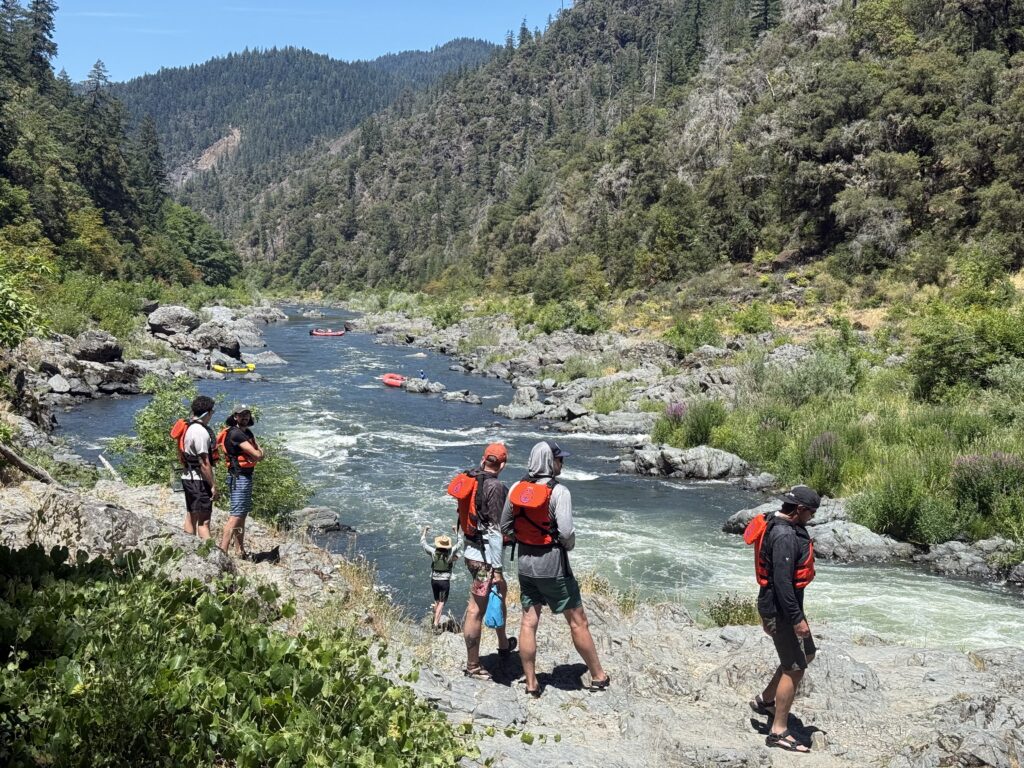
The first major obstacle is Rainie Falls, a Class V rapid. Rather than run it, passengers walk around while the guides expertly navigate the safer “Fish Ladder,” a series of chutes that bypass the falls.
By lunchtime, we pulled onto a shaded beach where the guides transformed the riverside into an outdoor dining room. Fresh sandwich fixings, homemade salads, and an incredible dessert made it easy to forget we were miles from the nearest road. A refreshing swim in the Rogue afterward made the stop even better.
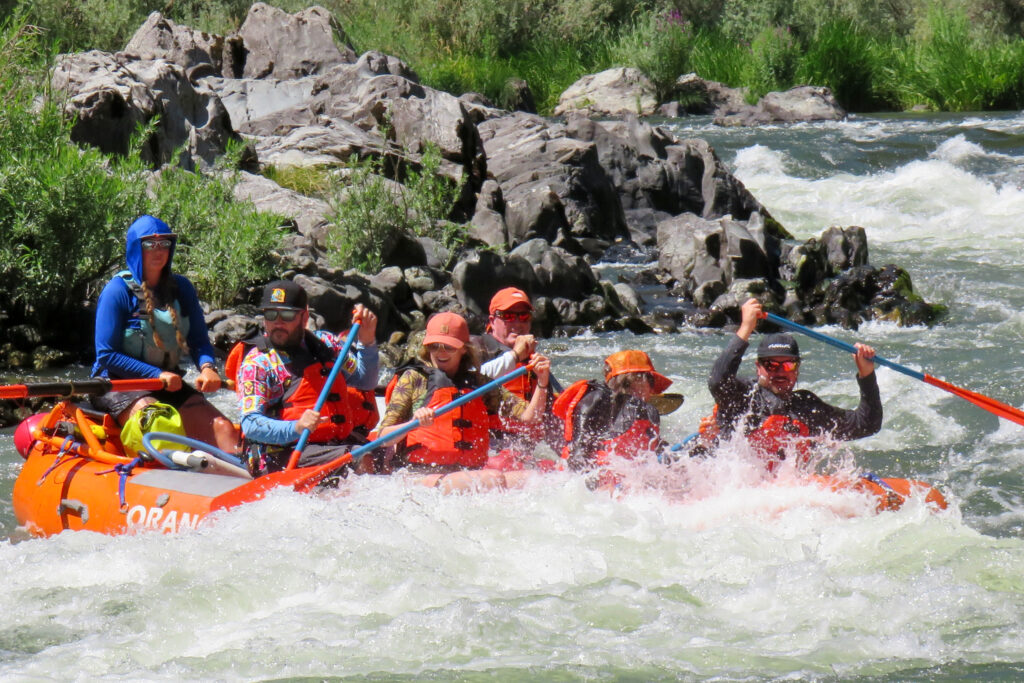
As we continued downstream, I was surprised by how quiet the river felt. Aside from a handful of private camps along the shoreline, we rarely encountered other groups. That’s by design. To protect the Wild and Scenic corridor, the Bureau of Land Management limits non-commercial launches through a lottery permit system each year from May 15 through October 15. The result is a river that never feels crowded, even during peak season.
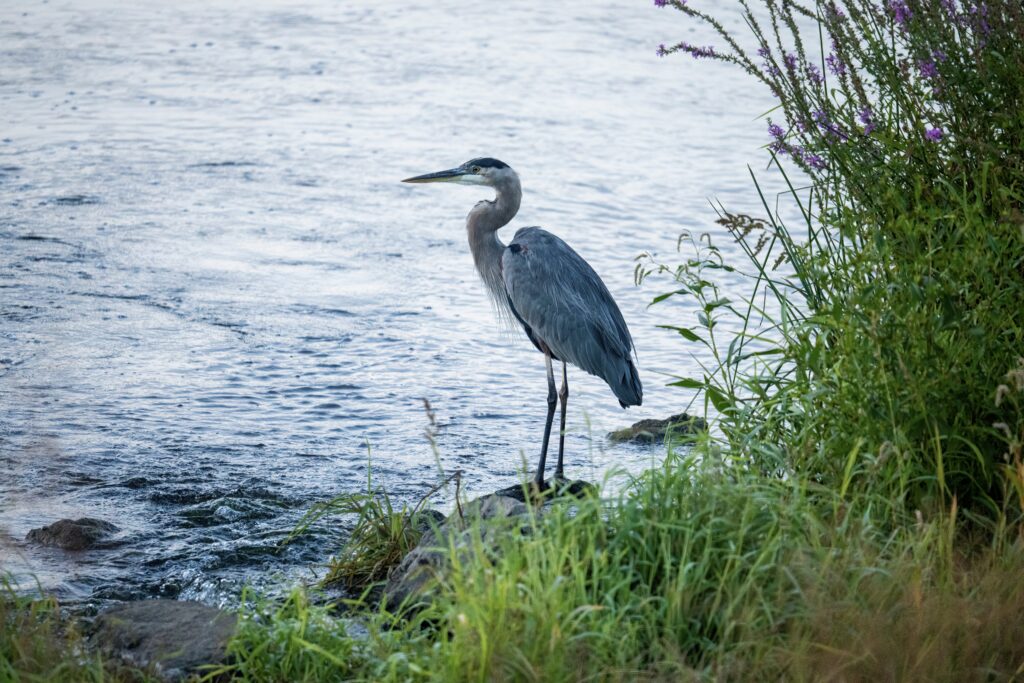
Wildlife seemed to appear around every bend. Bald eagles and osprey soared overhead while great blue herons stalked the shoreline. Turtles basked on sun-warmed rocks, and our guides pointed out signs of black bears, river otters, elk, and other animals that call the Rogue home.
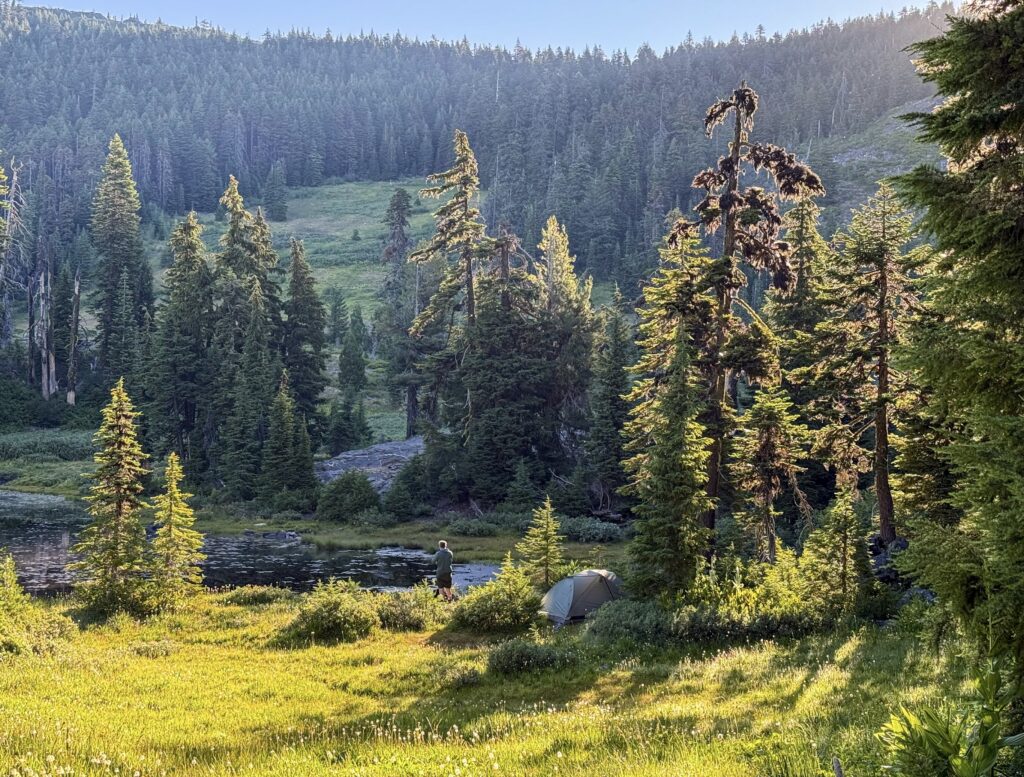
Around 5 p.m., we arrived at Horseshoe Bend, our campsite for the night. While tents were available, many of us opted to sleep beneath the stars on cots. I wandered away from camp and found a quiet spot overlooking the river—a perfect place to unwind before dinner.
That evening, the guides served another incredible meal before everyone gathered to share stories around our “campfire”—an LED lantern that complied with fire restrictions while still creating the atmosphere of sitting together after a day on the river.
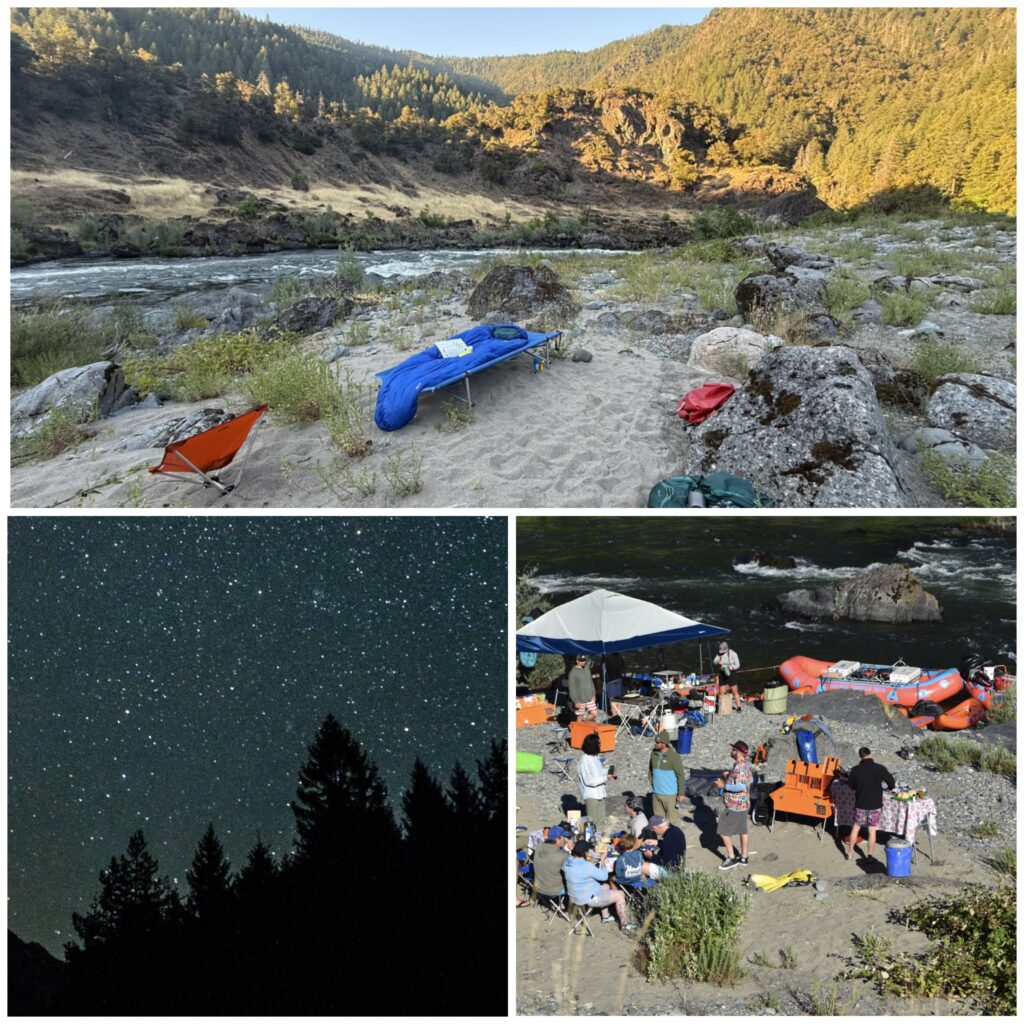
The real highlight came after everyone turned in.
With no moon overhead and virtually no light pollution, the night sky exploded with stars. Over the next half hour, I watched several meteors streak across the Milky Way. Southern Oregon is home to some of the world’s largest Dark Sky Sanctuaries, and I’d never seen our galaxy with such stunning clarity.
Day Two: History Around Every Bend
Fresh coffee and breakfast were waiting when we woke, and before long we were back on the water.
Our first stop was famed Western novelist Zane Grey’s cabin, a National Historic Site tucked along the Rogue River Trail. Grey first visited the Rogue in the early 1900s, fell in love with its wild beauty, and eventually built this one-room fishing cabin overlooking the river, where he wrote many of his stories.
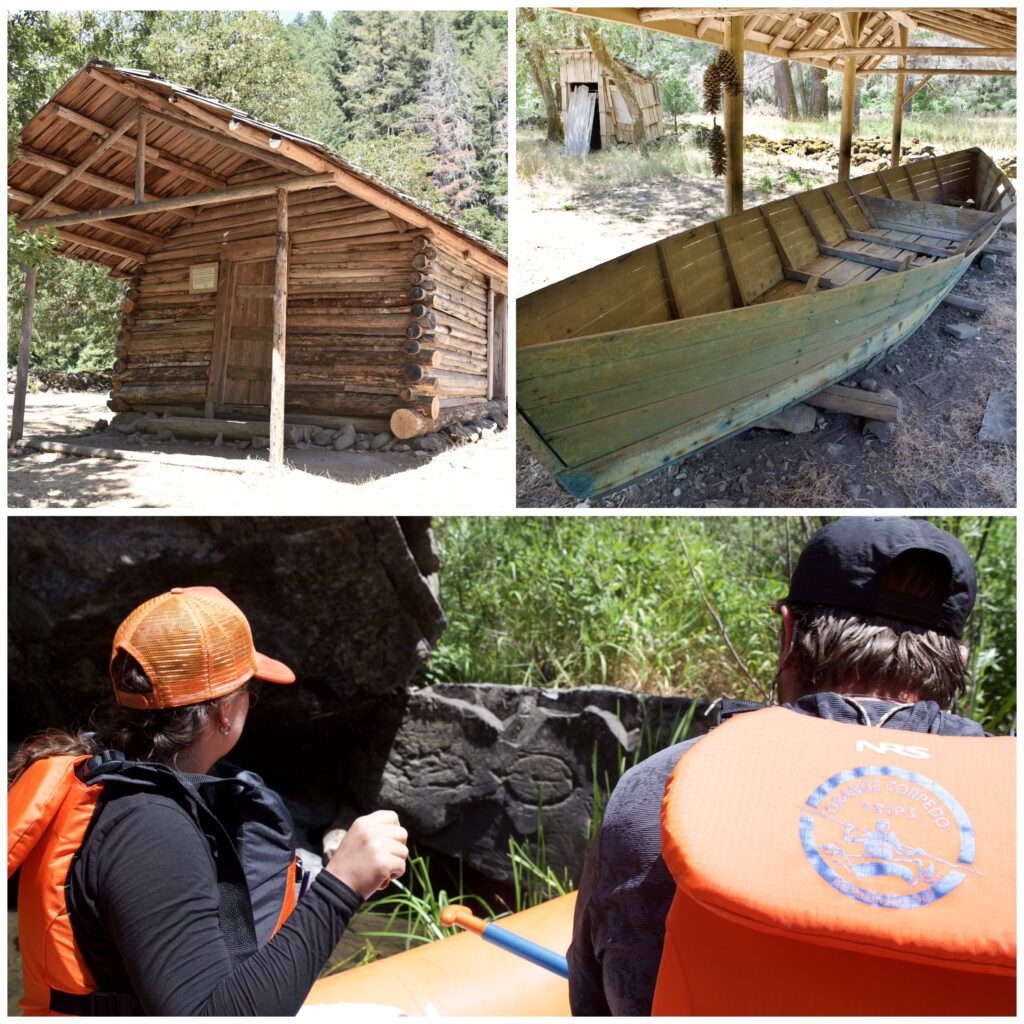
Not long afterward, we encountered something even older.
As we floated through a calm stretch, I noticed two turtle-shaped petroglyphs carved into the rock along river right. Believed to be between 700 and 6,000 years old, these remarkable carvings were created by the Rogue Valley’s earliest inhabitants, the Takelma and Athabaskan peoples.
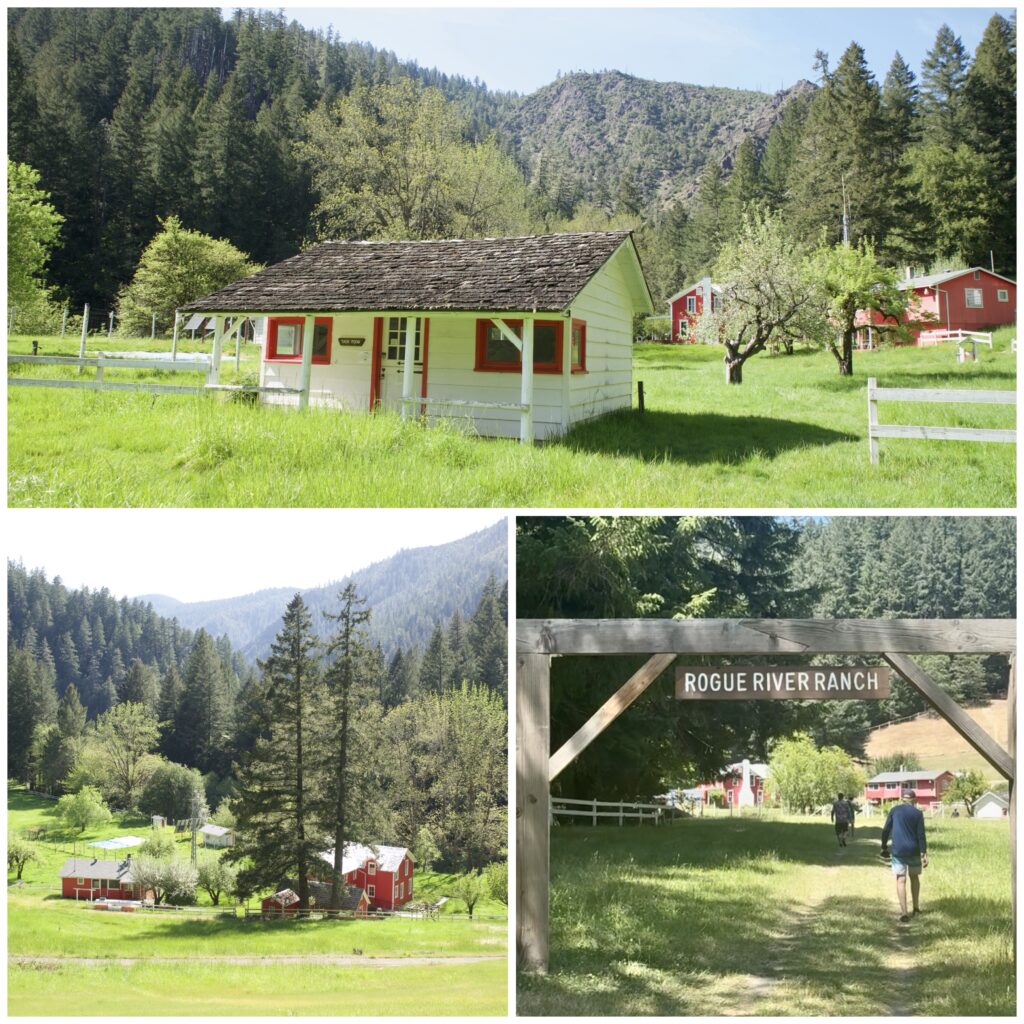
After another riverside lunch, we stopped at the historic Rogue River Ranch.
Deep within the Wild and Scenic corridor, the ranch once served as the heart of the tiny Marial community, providing miners and settlers with a general store, post office, and hotel. Today, it’s preserved as a museum where visitors can wander through the historic buildings before cooling off in the crystal-clear waters of nearby Mule Creek.
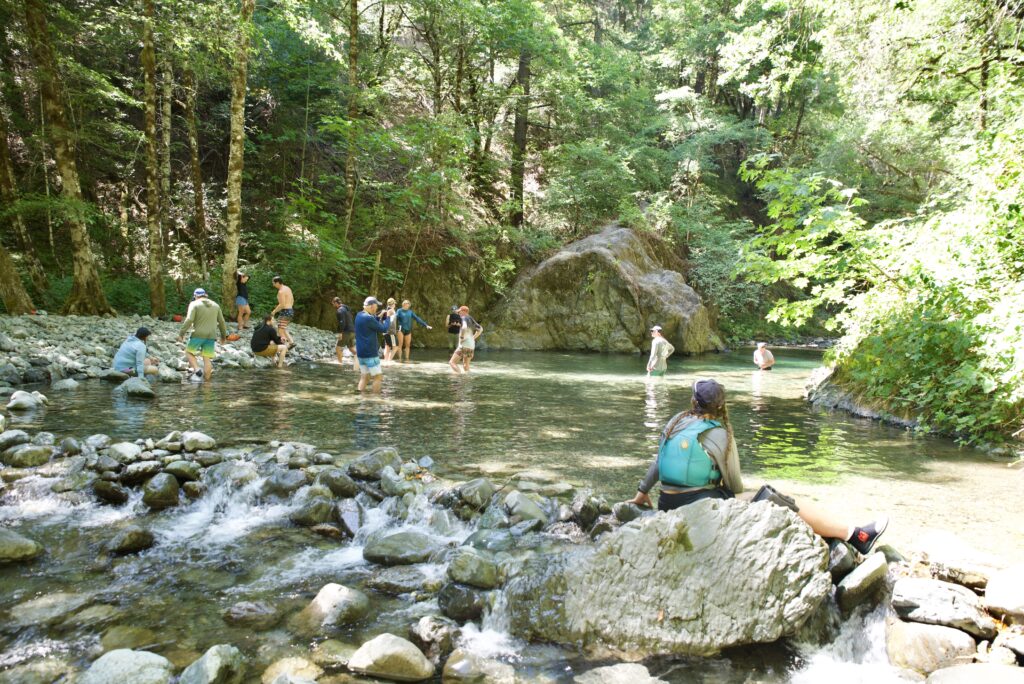
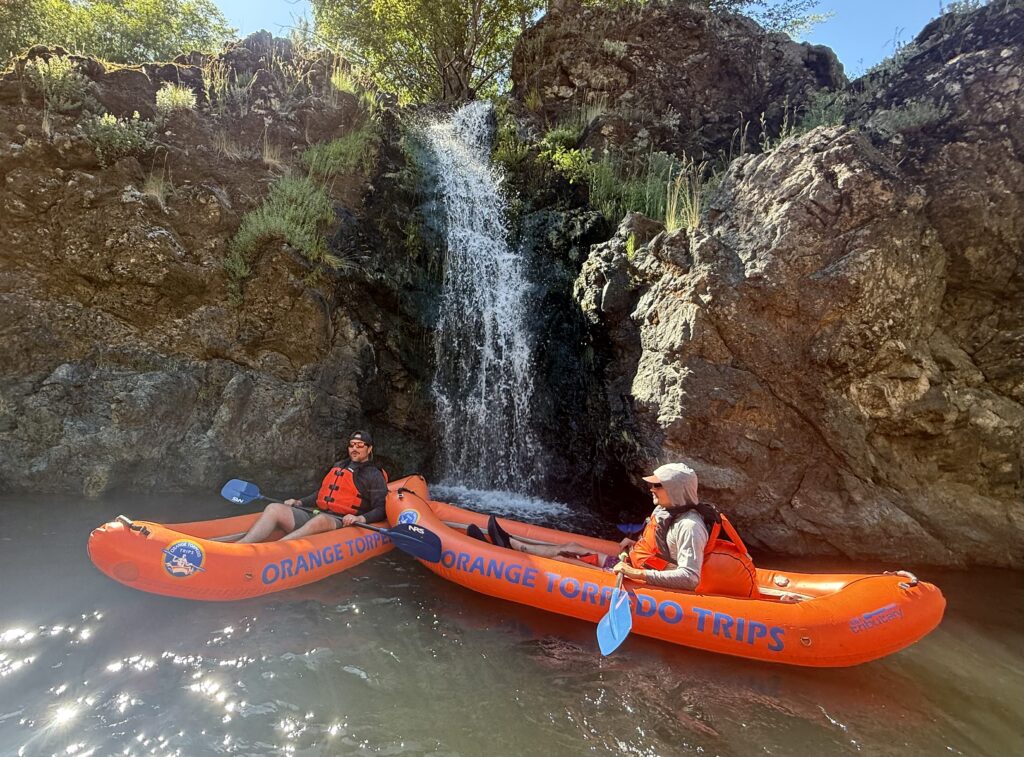
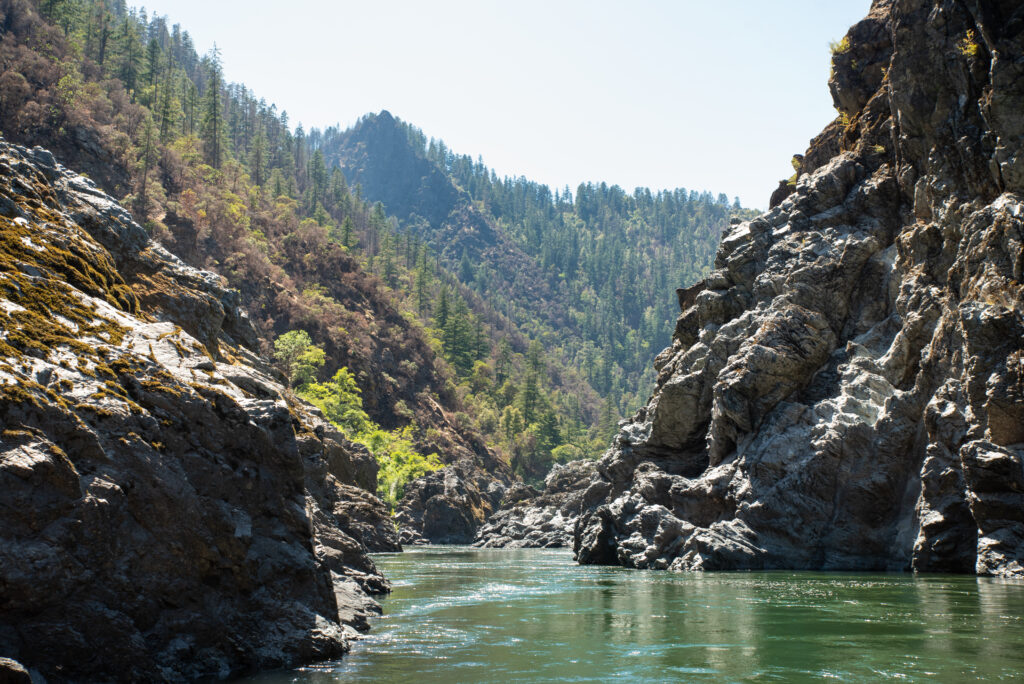
From there, the scenery became even more dramatic. Towering canyon walls closed in as we entered Mule Creek Canyon, one of the Lower Rogue’s most breathtaking stretches. After splashing through the churning waters of Coffee Pot Rapid, we drifted past Stair Creek Falls, a beautiful multi-tiered waterfall cascading into the river across from Inspiration Point.
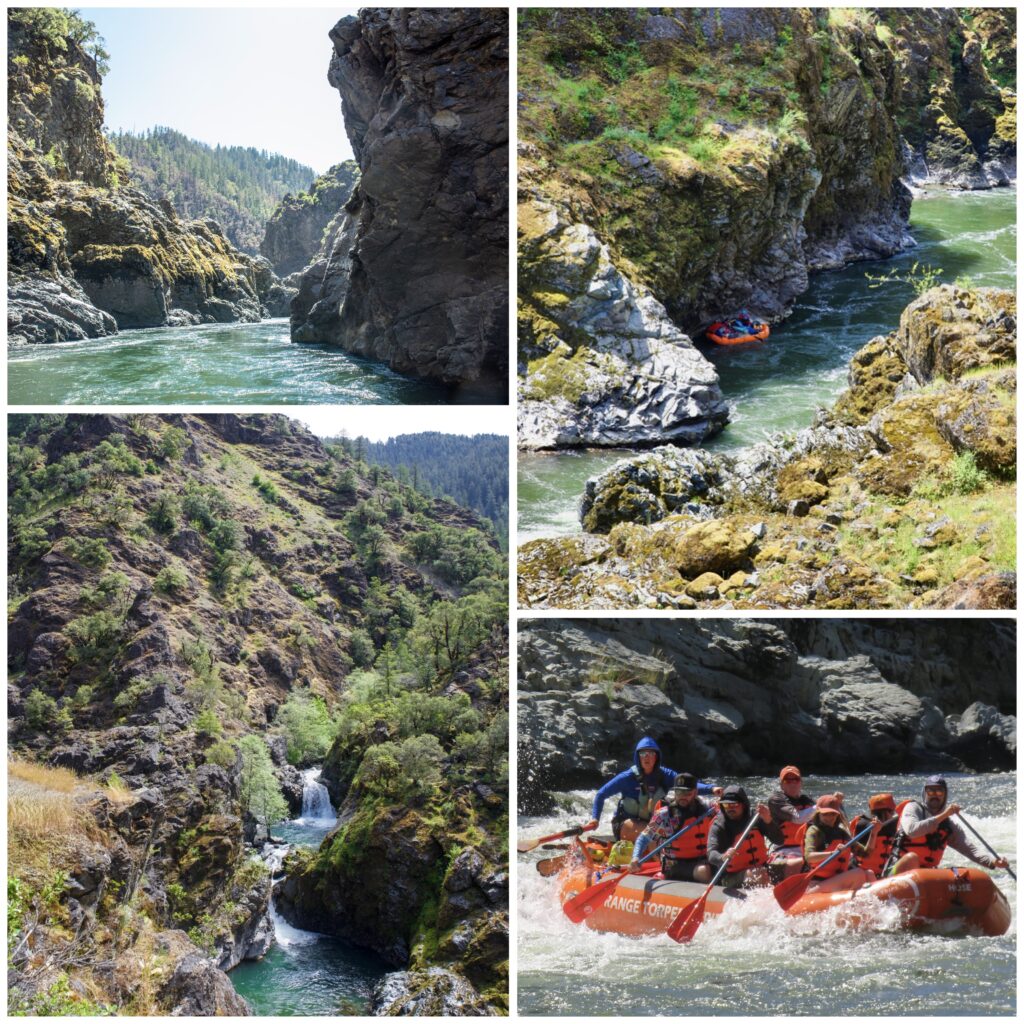
Then came Blossom Bar.
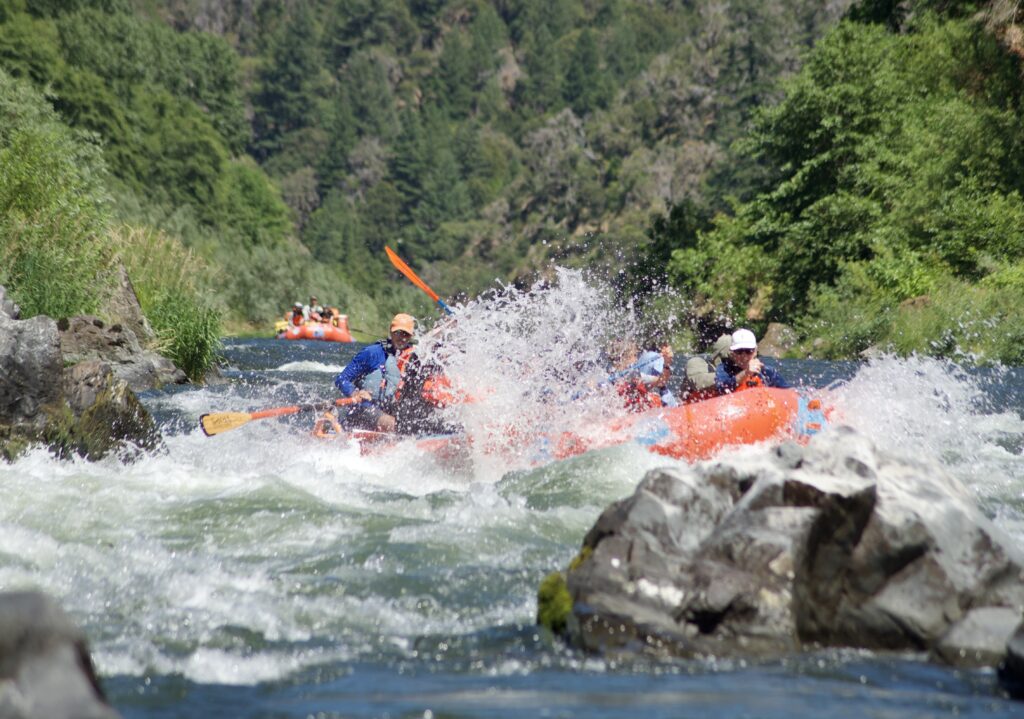
Rated Class IV, it’s considered the Lower Rogue’s most technical rapid—not because it’s the biggest, but because precision matters. Guides carefully thread their rafts through a maze of enormous boulders while avoiding the infamous “Picket Fence,” a line of jagged rocks responsible for countless flipped rafts over the decades.
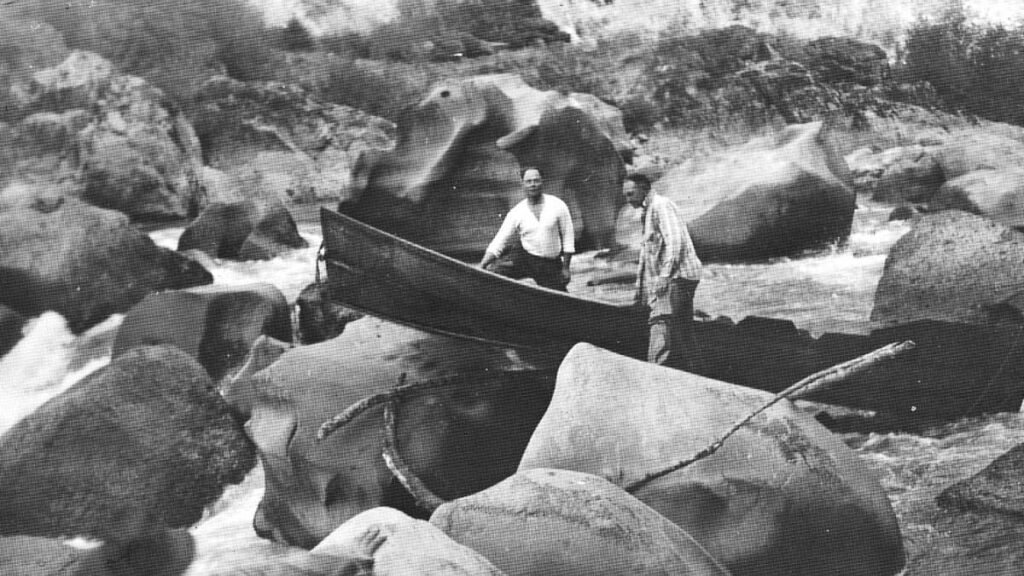
The rapid wasn’t always navigable. In the early 1900s, river runners were forced to portage around the obstacle until legendary guide Glen Wooldridge and others blasted a narrow passage through the rocks with dynamite, creating the route guides still use today.
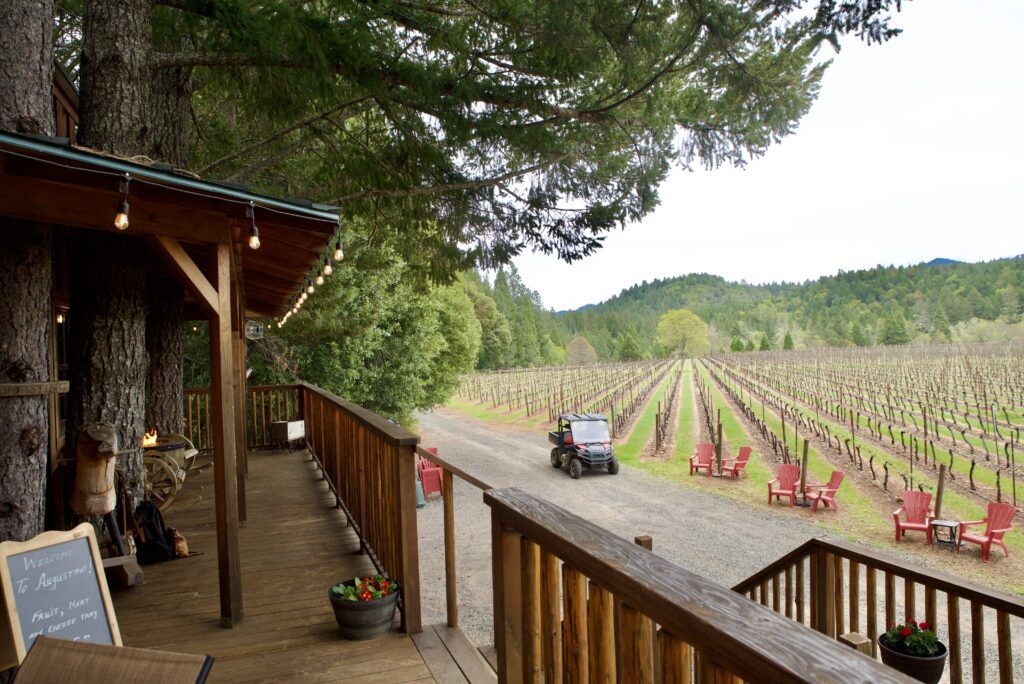
That evening brought an unexpected luxury in the middle of the wilderness: Paradise Lodge. As much as I loved camping on the river, stepping into a hot shower after two days outdoors felt downright decadent.
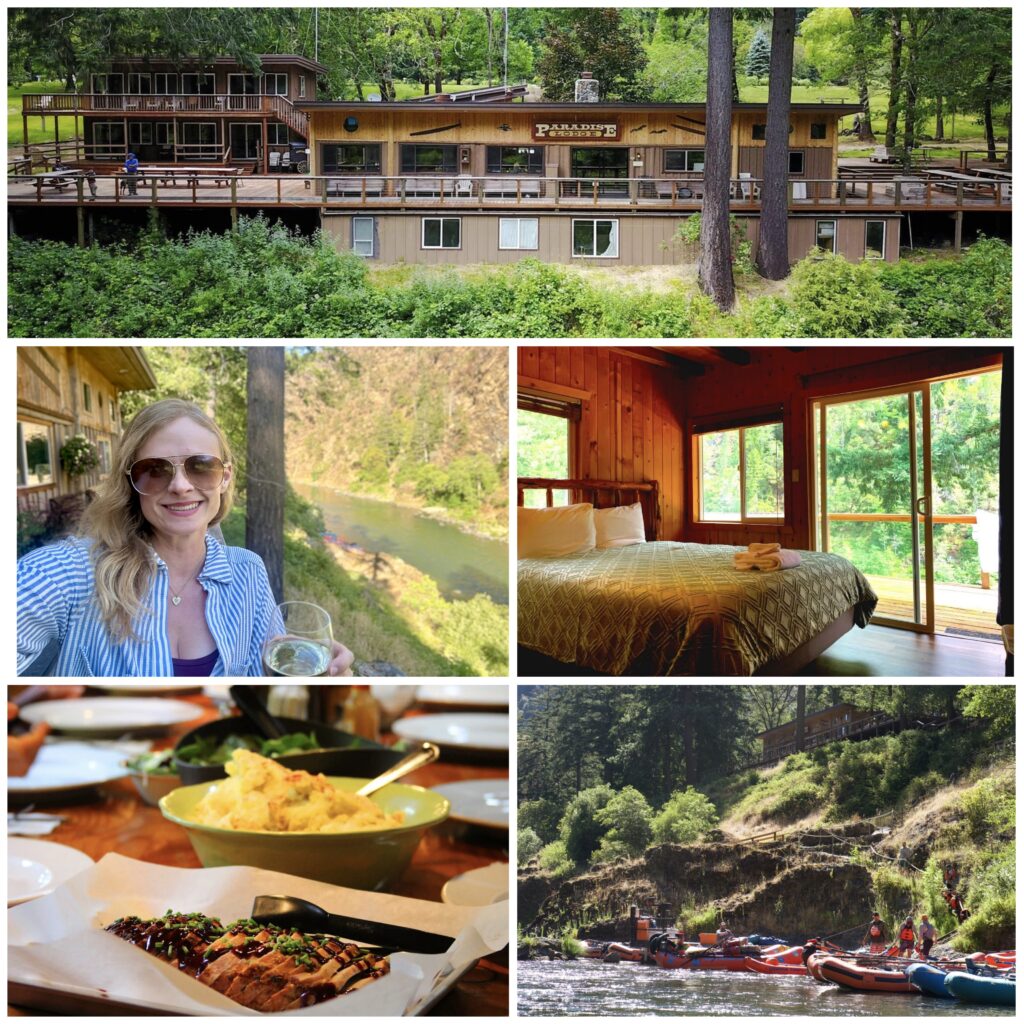
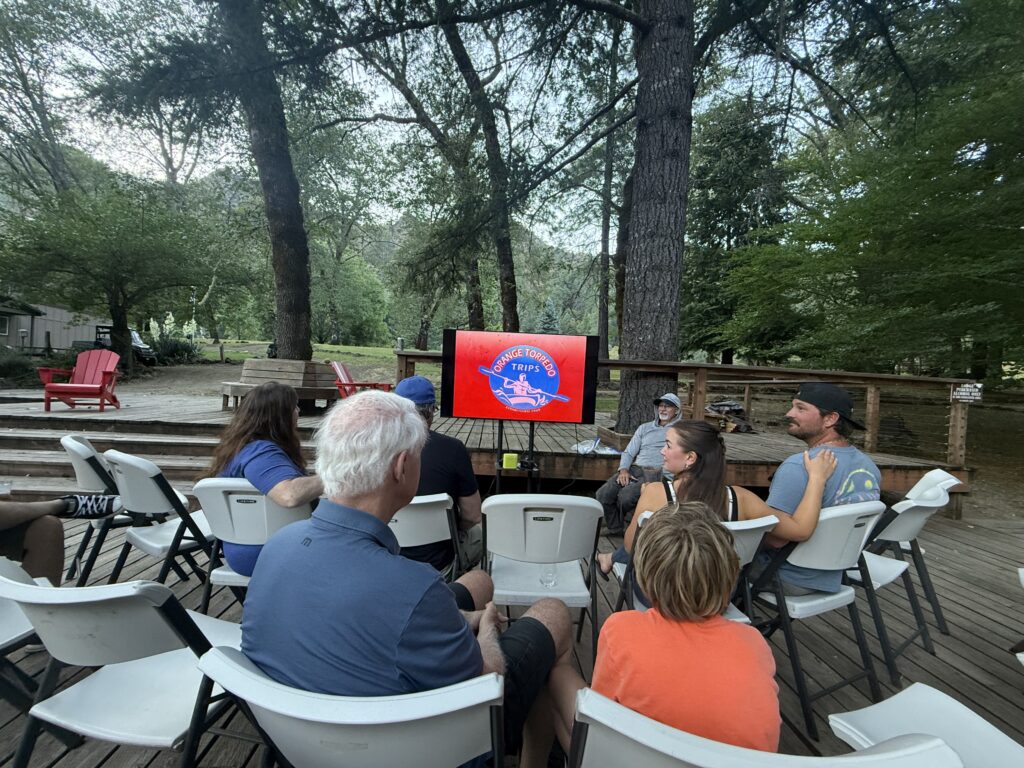
Later, wineglass in hand, I settled onto the deck overlooking the Rogue as the evening light settled across the canyon. Dinner was served banquet-style, featuring roasted turkey, mashed potatoes, stuffing, vegetables, pork tenderloin with mushrooms, warm bread, and an unforgettable scratch-made berry dessert. Afterward, everyone gathered outside for a slideshow highlighting the best moments from our adventure.
Day Three: One Last Ride
After another outstanding breakfast, we returned to the boats for our final day.
Before launching, we discovered that a curious black bear had explored our rafts overnight, shifting around a few supplies left near the river. Fortunately, the guides had anticipated the possibility and stored anything important safely at the lodge.
The final stretch to Foster Bar was peaceful and reflective.
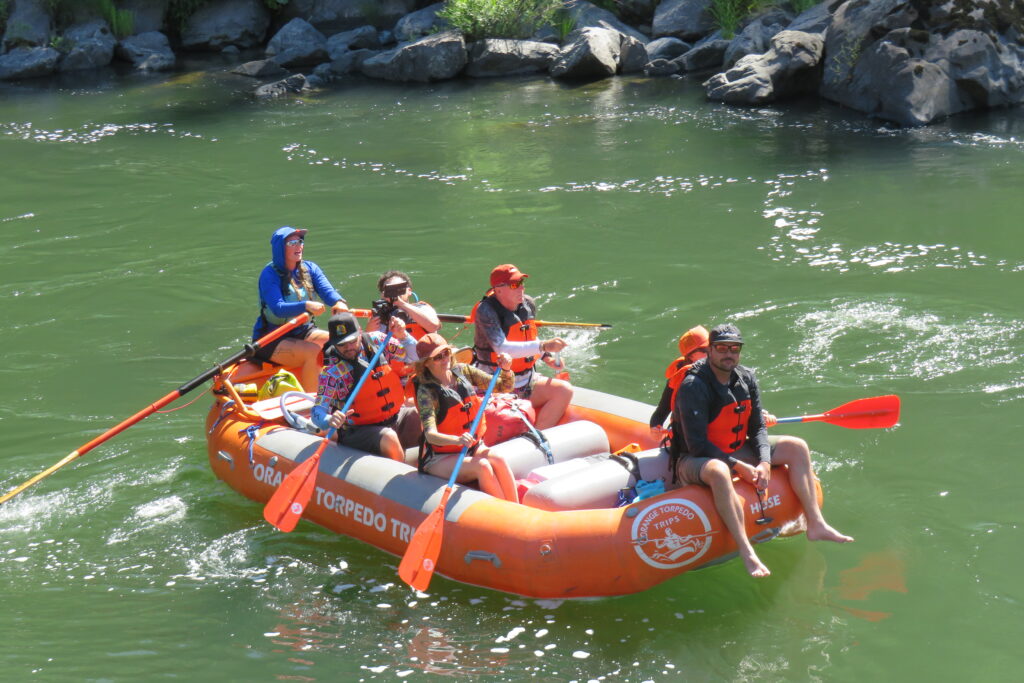
Gentle rapids alternated with calm pools as we floated past canyon walls and hillsides still recovering from last year’s wildfires. Even so, fresh green vegetation was already reclaiming the landscape—a reminder of just how resilient these ecosystems can be.
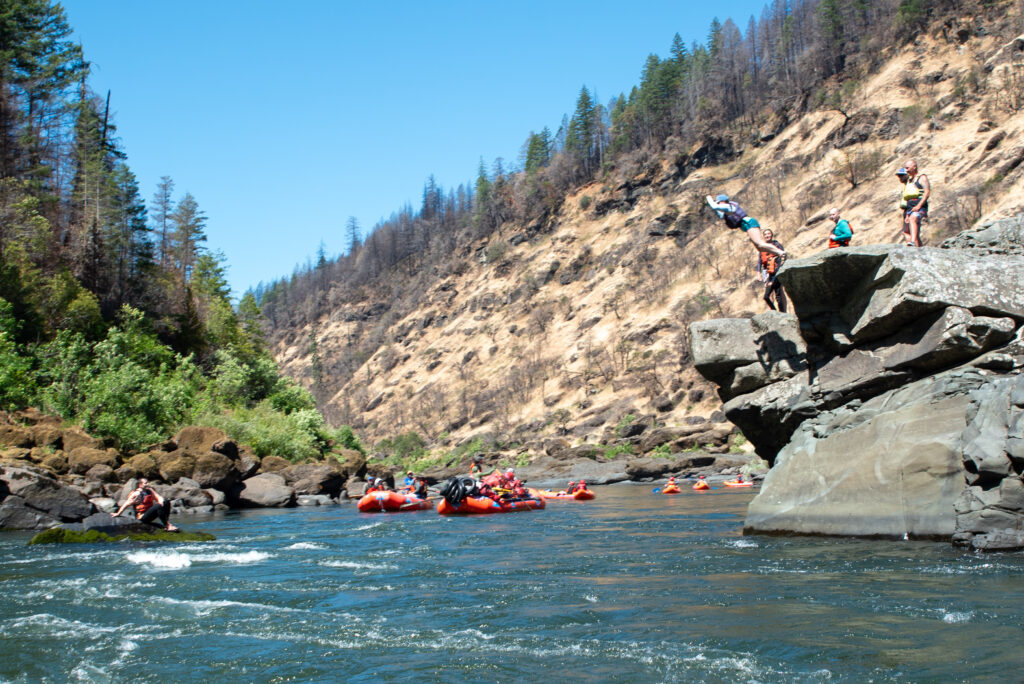
Along the way we crossed paths with a few other rafting groups and Jerry’s Jet Boats heading upriver from Gold Beach. After one final riverside lunch and a refreshing swim, we climbed back into the rafts for the last few miles.
As civilization slowly returned, I realized how much I’d enjoyed being disconnected from everything except the river. Over three days, the Rogue had replaced notifications and schedules with canyon walls, cold swims, wildlife sightings, incredible meals, and the steady rhythm of moving water. The guides didn’t just steer us through the rapids—they shared the river’s history, pointed out wildlife I would have otherwise missed, prepared amazing food, and made everyone feel welcome from start to finish.
By the time we reached the takeout, I wasn’t ready for the trip to end.
For a first-time trip down the Lower Rogue, I couldn’t have asked for a better introduction. It may have been my first journey through this remarkable river corridor, but it certainly won’t be my last.